

Quirky Mining Tales You Didn’t Know About Western Colorado
Mining history in Western Colorado might sound like a tale of gold rushes and ghost towns, but there’s much more hidden beneath the surface. In fact, the Rocky Mountains were home to some of the strangest and most inventive stories in mining history.
Bowling at 11,500 feet, early AC power transmissions, and a time when radium was more valuable than gold—all are chapters from the Western Slope’s book of mining marvels, odd inventions, and bold experiments.
Tomboy’s High-Altitude Oddities

The Savage Basin above Telluride is home to Colorado’s Tomboy Mine at 11,500 feet above sea level. The Tomboy mine is located along Tomboy Road, which connects Telluride to Ouray via Imogene Pass and the Imogene Pass Road. Several crumbling cabins and tailings are visible from the road, highlighting the once-rich mining community. Legend has it that some of the strangest features at the Tomboy Mine site included a YMCA, bowling alley, and tennis courts, shared by a thousand residents.
The Radium & Uranium Rush of the West
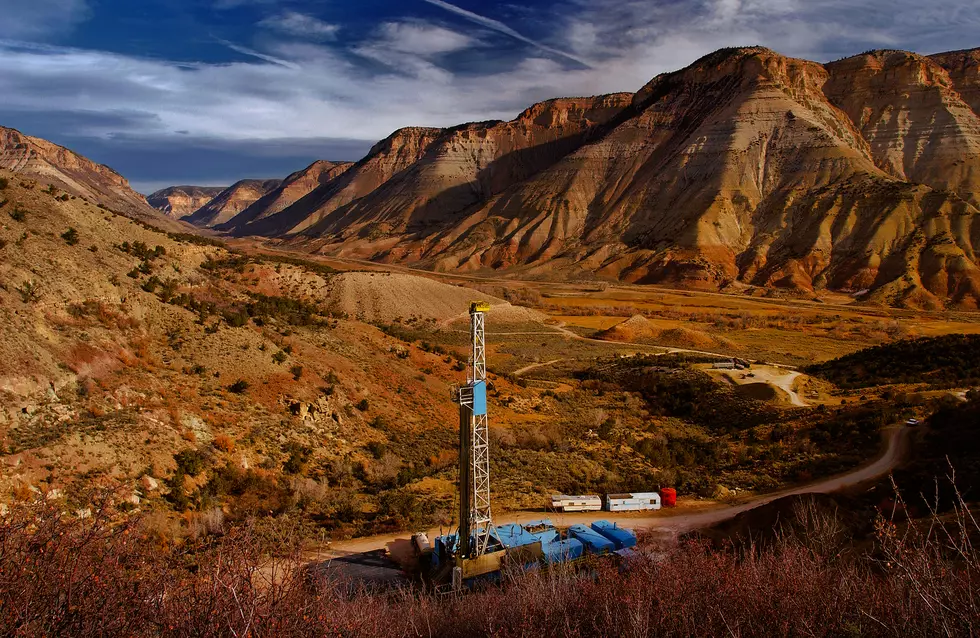
West of Telluride, Colorado’s mining legends take a nuclear turn. Uravan, Colorado’s radium and vanadium boom, lit up the early 1900s through the 1940s, with uranium from the town and its mills directly fueling the government’s Manhattan Project. Over the life of the mine, geologists discovered that the Uravan Mineral Belt stretched roughly seventy miles—its sandstone still rich with radium, vanadium, and uranium.
By 1904, a pound of gold in Colorado was worth about $300—but a pound of radium was valued at an astonishing $8.4 million. When the boom finally went bust, Uravan was abandoned and later designated a federal Superfund cleanup site.
Colorado’s Electrical Firsts in the High Country
Colorado’s mining history is full of stories about digging deeper, but sometimes mining was about finding smarter sources of power. In Telluride, the Ames Hydroelectric Plant (aka Bridal Veil Powerhouse) opened near the top of Bridal Veil Falls in 1891, delivering alternating-current electricity 2.6 miles to nearby ore mills. It became one of America’s first commercial AC power transmissions, proving that Colorado’s mining regions were centers of innovation as much as extraction.


LOOK: 26 Infamous Ghost Towns in Colorado You Need to See to Believe
Gallery Credit: Tim Gray
MORE: What Happened to the Old Mining Community of Silver Plume, Colorado?
Gallery Credit: Wesley Adams
NEXT: Animas Forks is One of Colorado's Oldest Mining Settlements in the San Juan Mountains
Gallery Credit: Wes Adams
